

Weaving Cultural Heritage to Protect Karakalpakstan’s Environment
Aynura Erejepbaeva is a young woman from Shomanay district in the Republic of Karakalpakstan, born in 2006. From a young age, Aynura has been known for her talent and hard work. Her patience and dedication have earned her recognition as one of the world's renowned young individuals. Aynura's journey in embroidery began in the 4th grade, and she has continued to pursue this craft with passion ever since.
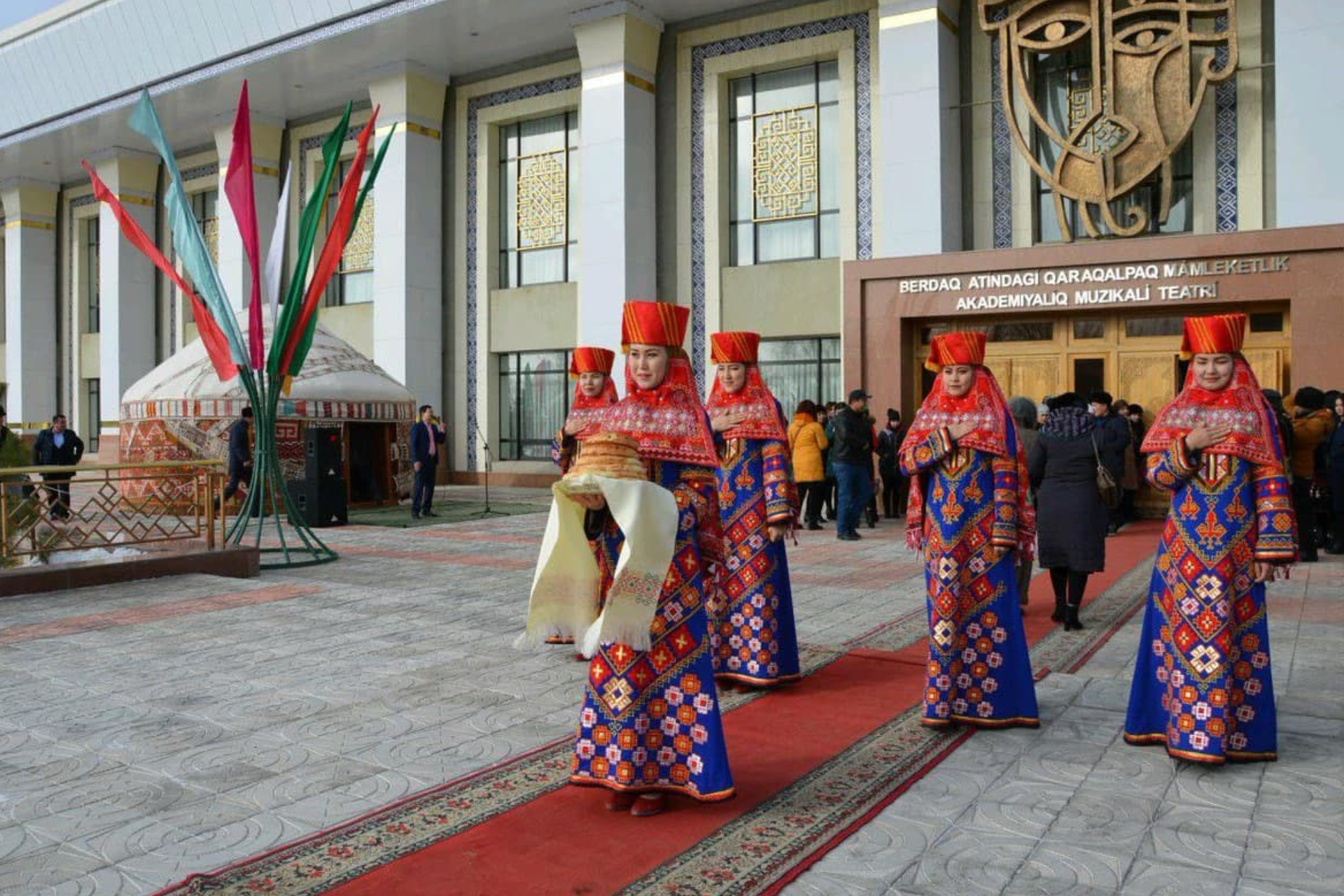
"It was my grandmother who introduced me to embroidery and taught me under her guidance," Aynura shared. Since then, she focused on preserving and promoting traditional Karakalpak patterns through her work. Beyond embroidery, Aynura founded the Lady Up program to support girls in STEM. She also organized courses like Asian Girls in Action, offering unique opportunities for girls aged 11 to 18. Through these initiatives, she empowered the next generation of female leaders. Her efforts did not go unnoticed – she received a $400,000 scholarship to study at Dartmouth College in the United States.
Aynura’s commitment to making a difference started early. She began volunteering in eighth grade and, in 2023, traveled to Taiwan to showcase Karakalpak culture. The people of Taiwan were amazed by the patterns she wore, which included embroidery on traditional items like tanbur, earrings, and other handcrafted pieces. According to Aynura, the tanbur pattern symbolized peace and harmony among the Karakalpak people, while the earring pattern represented the beauty of Karakalpak girls. Another important embroidery was the water pattern, which symbolized the drying of the Aral Sea—one of the world's major environmental crises.
Aynura continued to embroider and expand her collection of traditional patterns. Embroidery remained a vital tradition for Karakalpak women, deeply woven into the cultural identity of their people. She believed that if every girl in Karakalpakstan practiced this craft, they would help preserve their rich heritage for future generations.
Muqaddas Paraxtova