

Don't harm nature with ecotourism
Uzbekistan has all the conditions for developing ecotourism. But isn't this causing even more harm to our nature? As ecotourism develops, isn't it trampling on unique natural areas, driven solely by the pursuit of profit?
Since the end of the last century, ecotourism has gradually begun to enter the global tourism industry.
Uzbekistan has all the conditions for developing ecotourism. But isn't this causing even more harm to our nature? As ecotourism develops, isn't it trampling on unique natural areas, driven solely by the pursuit of profit?
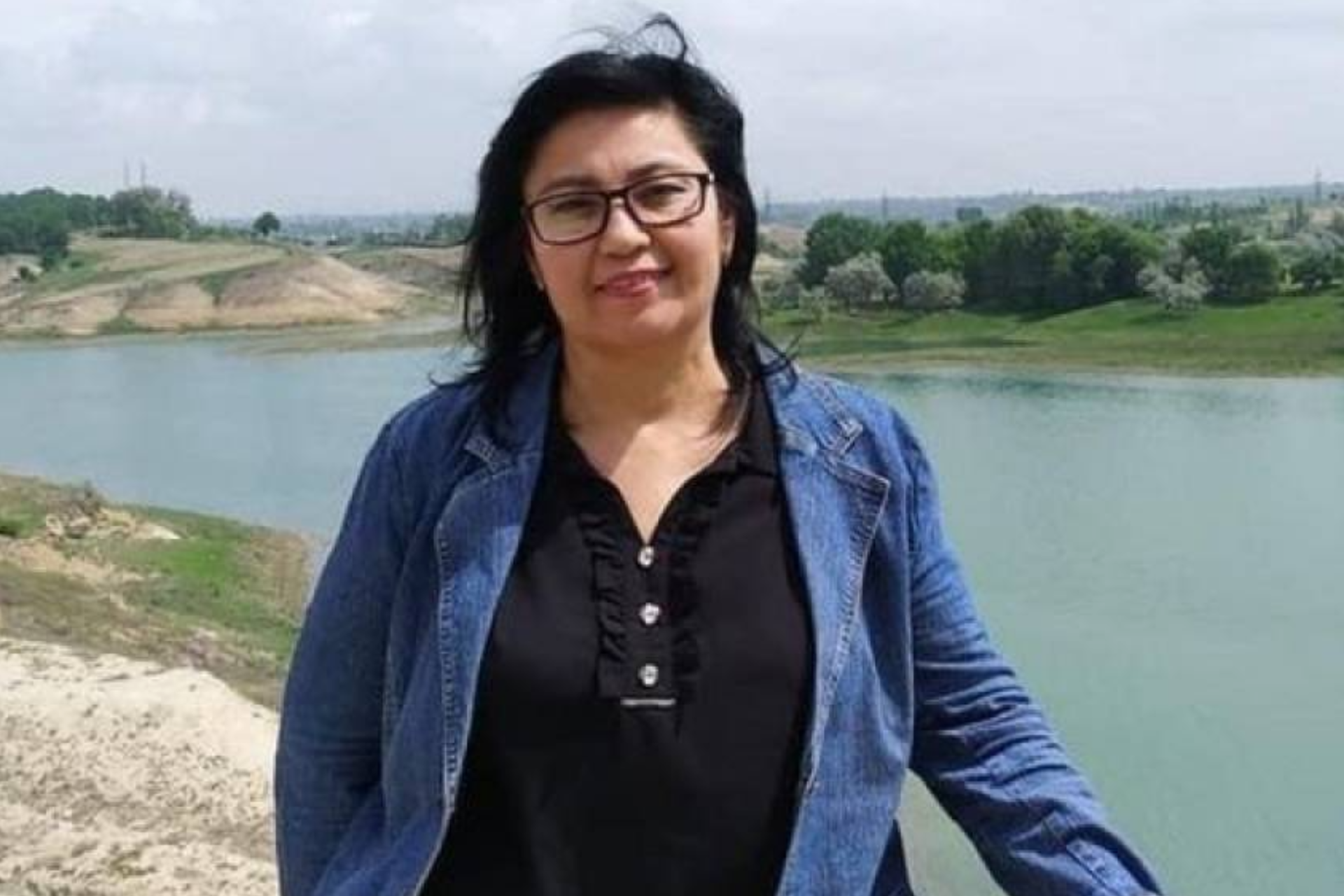
- It will demonstrate the ecotourism potential, natural potential and resources of Uzbekistan in the global tourist services market, stimulate scientific research aimed at more effective use of ecotourism resources and opportunities of regions, especially nature, geosystems, and will create an opportunity to radically improve the quality of ecotourism services and rapidly increase the volume of ecotourism services in the tourism industry implemented in Uzbekistan. Ecotours, trips to the mountains, camel rides in desert areas, attract the attention of tourists not only from Uzbekistan, but also from all over the world, - says journalist-ecologist Nargis Kasimova.
According to our expert, the situation in the areas where tourist routes are conducted is not good. For example, the Tashoron in the Kyzylkum desert of Navoi region, as a result of the disorderly movement of tourists and the removal of stones, the remains of rare, ancient petrified trees, one of the 3 in the world, are decreasing. And the control in this regard is extremely weak. Or the unique ancient artifacts and drawings of primitive people in the Chirakchi district of Kashkadarya region are disappearing due to the fragmentation of stones by local residents and tourists. The construction of the Zarafshan reserve into a national nature park and the development of ecotourism by entrepreneurs have caused irreparable damage to the unique nature of Zarafshan. Due to the almost complete lack of control in the Zamin national nature park, especially in the summer, the stream is filled with garbage, vacationers tear off rare, often listed in the "Red Book", plants, and fir branches. "Who will pay for the nearly 80 hectares of forest that burned to ashes after a bonfire carelessly left unextinguished by vacationers in Zaomin?" Nargis Kasimova says indignantly.
“In a word, in order to develop ecotourism in our country, it is necessary to develop measures to control tourists and entrepreneurs, protect nature, and hold violators accountable, whether they are foreign citizens or citizens of Uzbekistan,” says the expert.